Understand porosity, staining risk, and how finishes affect day-to-day care.
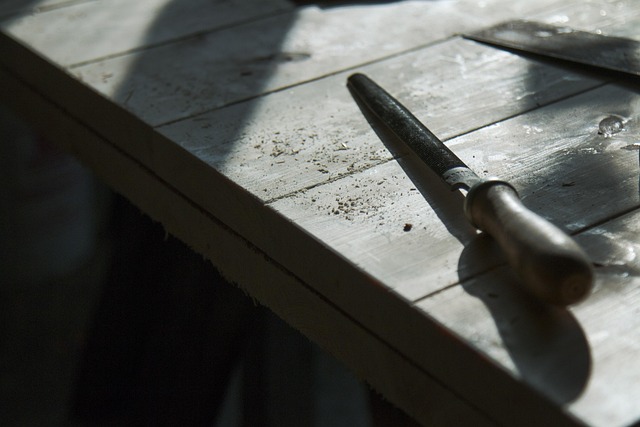
Start with simple hand tools, correct PPE, and stable setup practices.
A practical learning path
Read guides, compare finishes, then apply knowledge in small home projects or guided sessions.
Educational content is designed for general awareness and skill building. Always follow manufacturer instructions and local safety requirements when working with tools and building materials.
What we do
EmeraldWatch provides structured, beginner-friendly education about stoneworking basics and interior material choices. The platform is built for homeowners, design-minded learners, and early-stage craftspeople who want clear explanations without hype. We focus on how natural stone and engineered surfaces differ, what common finishes mean in practice, and how to read a material specification with confidence. You will find guidance on porosity, scratch resistance, sealing concepts, and the everyday trade-offs that influence kitchens, bathrooms, entryways, and high-touch surfaces.
Beyond material theory, we introduce practical craftsmanship foundations: safe tool handling, dust management awareness, measuring and marking, edge and corner considerations, and the basics of repair-friendly detailing. Our content emphasises calm, step-by-step learning so you can plan small improvements, speak clearly with fabricators or contractors, and maintain surfaces responsibly. Whether your goal is minimalist interior coherence or simply understanding what you are buying, EmeraldWatch helps you make informed, practical decisions rooted in craftsmanship.
Material literacy
Learn the difference between granite, marble, limestone, quartz, porcelain, and composite surfaces. Understand how structure, hardness, and porosity affect performance in real rooms.
Finishes & textures
Decode polished, honed, brushed, leathered, flamed, and sandblasted finishes. See how texture changes slip resistance, maintenance routines, and light reflection.
Safe tool handling
Practical safety basics for hand tools and common site equipment. Focus areas include PPE, stable workholding, dust awareness, and tidy workflows.
Home-ready guidance
Get clarity on kitchen worktops, bathroom vanities, shower walls, and thresholds. We highlight durability and cleaning considerations without sales pressure.
How it works
Learning stone and interior materials is easier when the steps are clear. EmeraldWatch is organised around practical questions: what the surface is made of, how it is finished, where it performs best, and what care it needs. Each guide is written to help you move from curiosity to confident decisions.
If you send a message through our contact form, we review your question and reply by email. For workshop interest, we may ask a small follow-up to match the session level and safety requirements.
-
Start with a material
Choose a topic such as granite, marble, quartz, porcelain, or limestone. Learn the basics of composition, common uses, and typical limitations in everyday interiors.
-
Compare finishes
Review polished, honed, and textured options to understand feel, glare, grip, and maintenance. We explain what changes and what stays the same across finish types.
-
Apply to a room
Use kitchen and bathroom checklists to evaluate water exposure, heat, cleaning products, and daily wear. This keeps choices practical and aligned with real use.
-
Build skills safely
Follow tool and workshop basics before attempting cutting or grinding. Where tasks require specialist equipment or training, we signpost safer alternatives and when to consult a professional.
Short glossaries explain trade terms used by suppliers and fabricators.
Room-by-room notes help you think about edges, joints, and cleaning access.
Learn the difference between routine cleaning and long-term protection.
Workshop interest and contact
Use this form to ask a materials question, request reading recommendations, or register interest in educational sessions. We collect only the details needed to reply. After submission, you will receive a confirmation message on this page, and our team will respond by email. If you ask about workshops, we may suggest a suitable session level and outline what to bring, including basic safety expectations.
We do not request sensitive personal information. You can also contact us directly from the contact page if you prefer not to use a form.
FAQ
These answers cover common beginner questions about stone surfaces, finishes, and safe practice. If you need help interpreting a product sheet or choosing a finish for a specific room, send a question using the contact form above.
What is the difference between natural stone and engineered stone?
Natural stone is quarried and cut from a larger slab of material formed by geological processes. Engineered stone is manufactured using a blend of minerals and binders to achieve consistent appearance and performance. Both can be suitable for interiors, but they differ in pattern variation, porosity, and how they respond to heat, acids, and abrasives.
Does a polished finish always mean higher maintenance?
Not always. Polished surfaces can show fingerprints and water marks more easily, but they may also be easier to wipe clean. Maintenance depends more on the material itself and how it reacts to acids, oils, and cleaners. A honed or textured finish can hide marks better but may hold residue if cleaning routines are not matched to the texture.
When should I consider sealing a stone surface?
Sealing is most relevant for porous stones that can absorb water or oils. Sealers do not make stone stain-proof, but they can slow absorption and make cleaning easier. Whether you should seal depends on the stone type, finish, and where it is installed. Always follow the stone supplier or fabricator recommendations and test products in an inconspicuous area.
What are the most important safety basics for beginners?
Start with stable work support, appropriate PPE, and a clean workflow. Understand dust risks, ventilation, and tool guarding. Use the correct blade or abrasive for the material, avoid forcing the tool, and keep hands clear of the cutting line. If you are unsure about a task involving power cutting or grinding, consult a trained professional or join a supervised session.
Is stone a good choice for bathrooms and wet areas?
Stone can work well in bathrooms when the right material and finish are chosen and the installation details are correct. Wet areas depend on waterproofing systems, grout and joint selection, and routine cleaning. Textured surfaces can improve grip, while polished surfaces may feel more slippery when wet. Our guides focus on practical trade-offs rather than a one-size-fits-all answer.
How do I choose a finish for a minimalist interior?
Start with the light conditions of the room and the amount of touch and wear the surface will receive. Honed finishes often suit calm spaces because they soften reflections, while brushed or leathered finishes add tactile depth. The best minimalist choice is usually the one that stays comfortable to live with: easy cleaning, sensible edge details, and consistent junctions.
Disclaimer
The information on this website is for informational and educational purposes only and does not constitute professional construction, engineering, or safety advice. Stone materials, tools, and installation methods vary by product, site conditions, and local regulations. Always follow manufacturer instructions, use appropriate personal protective equipment, and consult qualified professionals for tasks that require specialist training. Any projects you undertake are done at your own risk.
Educational guidance only